AI flagged 1,309 possible Nazca figures. Six months of walking the desert confirmed 303 of them
The machine narrowed where to look; people on the ground decided what was real. Around a quarter of the candidates were checked, and the confirmed figures split into two kinds with different audiences.
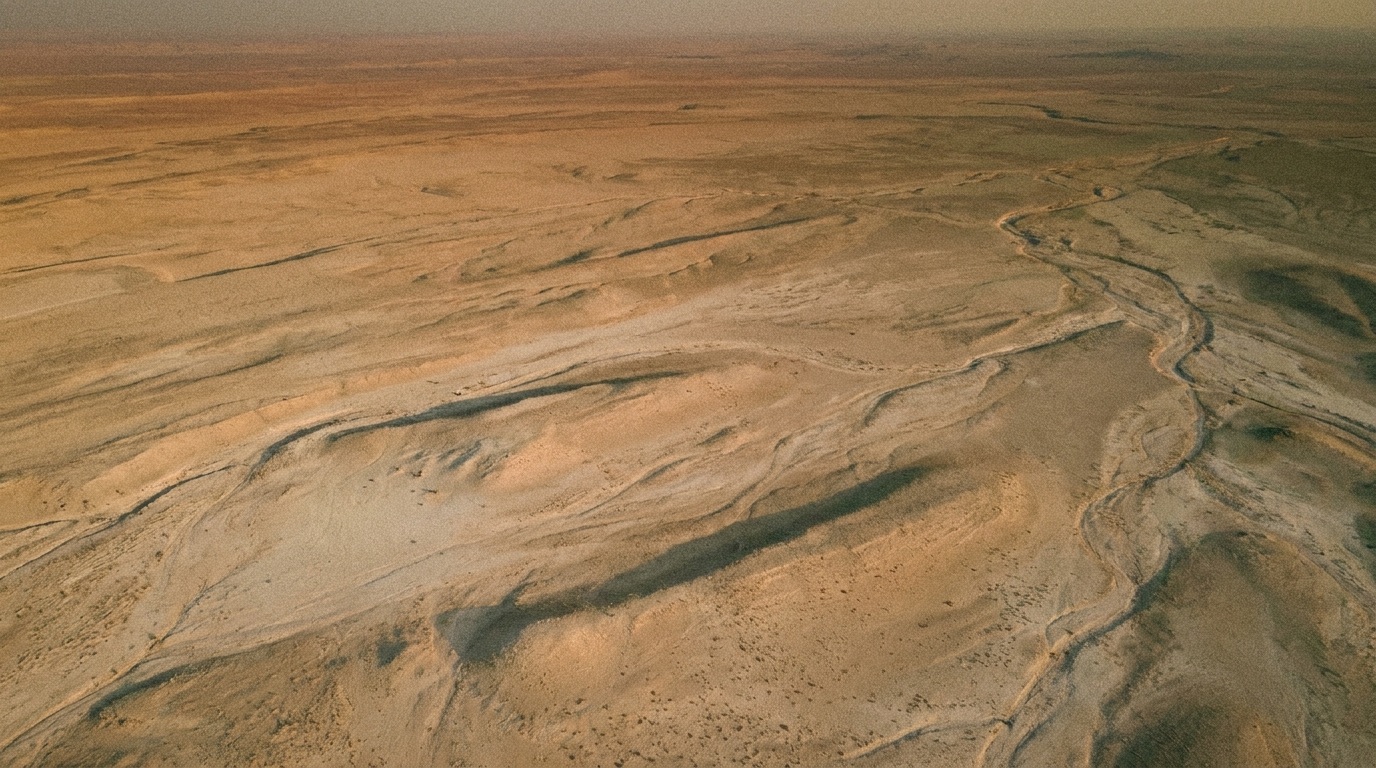
A survey of the Nazca plateau in southern Peru confirmed 303 figurative geoglyphs that were not previously catalogued. The number people tend to repeat is that one. The number that explains how the work was done is 1,309.
That is how many candidate locations a machine-learning model flagged from aerial imagery. Yamagata University's Institute of Nasca, working with IBM Research, trained the system to recognise the faint surface contrasts a geoglyph leaves and ran it across the plateau. What came back was a list of places worth walking to.
Then people walked to them. Roughly a quarter of the candidates were investigated during a six-month field survey, and from those investigations 303 figures were confirmed and documented. The remainder — something close to a thousand locations — have not been checked.
The order matters, and it is routinely reported backwards. The AI did not discover 303 geoglyphs. It proposed 1,309 places to look, and fieldwork converted a fraction of that list into confirmed finds. The confirmed figures are the output of the survey, not of the model.
Against a previously known total of 430 figurative geoglyphs, 303 additions is a substantial expansion of the catalogue, though not a doubling. It is also, on the evidence of the hit rate so far, an incomplete one: the unchecked candidates are not a rounding error.
The confirmed figures divide into two kinds, and the distinction carries the study's interpretive weight. Line-type geoglyphs are the larger ones, arranged along the networks of straight lines and trapezoids that the plateau is known for, and they mostly depict wild animals. The proposal is that these were made for community-level ceremony.
Relief-type geoglyphs are smaller, sit close to walking trails, and show different subjects: human figures, domesticated animals, decapitated heads — imagery of people and of things people had altered. The proposal there is quite different. These appear positioned to be seen by an individual or a small group passing on foot, functioning less like monuments and more like markers addressed to a traveller.
That is a more specific claim than the familiar one about the lines being meant for the sky, and it is more testable. It says the two categories had different audiences, different scales of use, and different placement logic — and it makes a prediction about where further relief-type figures should turn up, which the unchecked candidates could confirm or undercut.
The research was published in the Proceedings of the National Academy of Sciences and announced by the university on 24 September 2024. Open News could not retrieve the paper itself, which the publisher blocks to automated requests, so this account draws on the university's own announcement of its findings rather than on the paper text.
Key takeaways
See full context →AI flagged 1,309 candidate sites; a six-month field survey checked about a quarter and confirmed 303 new geoglyphs.
The counts, the survey period and the two-type distinction come from Yamagata University's own announcement.
Roughly a thousand flagged candidates have not yet been visited.
Source map
Explore all sources →✓What we know
- The AI model flagged 1,309 candidate geoglyph locations from aerial imagery.
- About 25 per cent of those candidates were investigated during a six-month field survey.
- 303 previously unknown figurative geoglyphs were confirmed and documented.
- The previously known total was 430 figurative geoglyphs.
- The work was carried out by Yamagata University's Institute of Nasca with IBM Research and announced on 24 September 2024.
?What remains unclear
See full context- Around three quarters of the flagged candidates have not been visited, so the eventual total is unknown.
- The proposed purposes of the two geoglyph types are interpretations, not established findings.
- What proportion of the unchecked candidates will prove to be genuine features is not reported.
Every factual claim, and what supports it
Each statement in this article is listed with how it is classified and which of the sources below establish it. A verified fact is corroborated by two or more independent sources; a reported claim rests on fewer, or on a single party’s account.
A machine-learning model flagged 1,309 candidate geoglyph locations.
Figure given in the university's announcement of its own research.About 25 per cent of the candidates were investigated during a six-month field survey.
Survey scope stated by the university.303 previously unknown figurative geoglyphs were confirmed and documented.
Count given by the university and reported independently.The previously known total was 430 figurative geoglyphs.
Prior catalogue size stated by the university; a secondary outlet gave a different figure and was not relied on.The work was carried out by Yamagata University's Institute of Nasca with IBM Research.
Institutions named by the university and in independent coverage.The research was announced on 24 September 2024 and published in PNAS.
Announcement date on the university release; PNAS named as the venue.Line-type geoglyphs are larger, sit along linear and trapezoidal networks and mostly depict wild animals.
Classification described in the university announcement.Relief-type geoglyphs are smaller, sit near trails and depict humans and human-modified subjects.
Classification described in the university announcement.Line-type figures are proposed to serve community ceremony and relief-type figures to address individuals or small groups on foot.
An interpretation offered by the researchers, not an established finding.Roughly three quarters of the flagged candidates remain unvisited, so the final total is unknown.
Follows from the stated survey coverage; the university gives no projection.
How the story developed
- 430 figurative geoglyphs are catalogued on the plateau.
- A machine-learning model flags 1,309 candidate locations from aerial imagery.
- About a quarter of the candidates are investigated in the field; 303 geoglyphs are confirmed.
- Yamagata University announces the results; the paper is published in PNAS.
Why this framing matters
The reliable way to get this study wrong is to credit the discovery to the algorithm. The model produced a list of places to look; six months of fieldwork produced the finds. Open News published an earlier version of this article that inverted that relationship, misdated the research and overstated the catalogue growth; this version is written from the university's own announcement and states the survey structure first.
5 sources reviewed
Every source used in this summary, grouped by its role in the reporting chain.
- 1Yamagata UniversityPrimary · 2024-09-24Primary
- 2Proceedings of the National Academy of SciencesPrimary · 2024Primary
- 3Live ScienceIndependent · 2024Independent
- 4BBC Science FocusIndependent · 2026Independent
- 5The Jerusalem PostClaim source · 2026Claim source
How we verified this story
Built on Yamagata University's announcement of its own findings, which was retrieved and read directly and supplies every count, the survey period, the institutions and the two-type distinction. The PNAS paper blocked automated retrieval and is cited as the publication of record only. One secondary outlet gave a prior-catalogue figure that conflicts with the university's; where sources disagreed the institutional figure was used and the secondary account is flagged in its source note rather than relied on. An earlier version of this article rested on that secondary account and was withdrawn.
Updates and corrections
Preview page created.
Source context and unresolved questions updated.
Related stories and more context
 BUSINESS
AI capex in 2026: the headline totals range from $630bn to $800bn, and the gap is who gets counted
Published estimates for hyperscaler AI spending this year differ by nearly $200 billion. The disagreement is not about the companies' plans — it is about how many companies are in the set, and which baseline year the growth is measured from.
 SCIENCE
Does El Niño mean more snow? Seasonal outlooks cannot answer that, and here is why
The maps people check for a snow answer measure precipitation, which combines rain and melted snow into one number. They cannot separate the two. That is a built-in limitation of the product, not a gap someone forgot to fill.
 TECHNOLOGY
Will AI take my job? The measured effect is real, narrow, and concentrated on people under 26
The clearest evidence so far comes from payroll records, not forecasts. It shows a 16 per cent relative employment decline for 22- to 25-year-olds in the most exposed occupations — and growth where AI augments the work instead of replacing it.
Join the discussion
Help build a clearer picture. Add context, challenge a claim or share a source.