AI capex in 2026: the headline totals range from $630bn to $800bn, and the gap is who gets counted
Published estimates for hyperscaler AI spending this year differ by nearly $200 billion. The disagreement is not about the companies' plans — it is about how many companies are in the set, and which baseline year the growth is measured from.
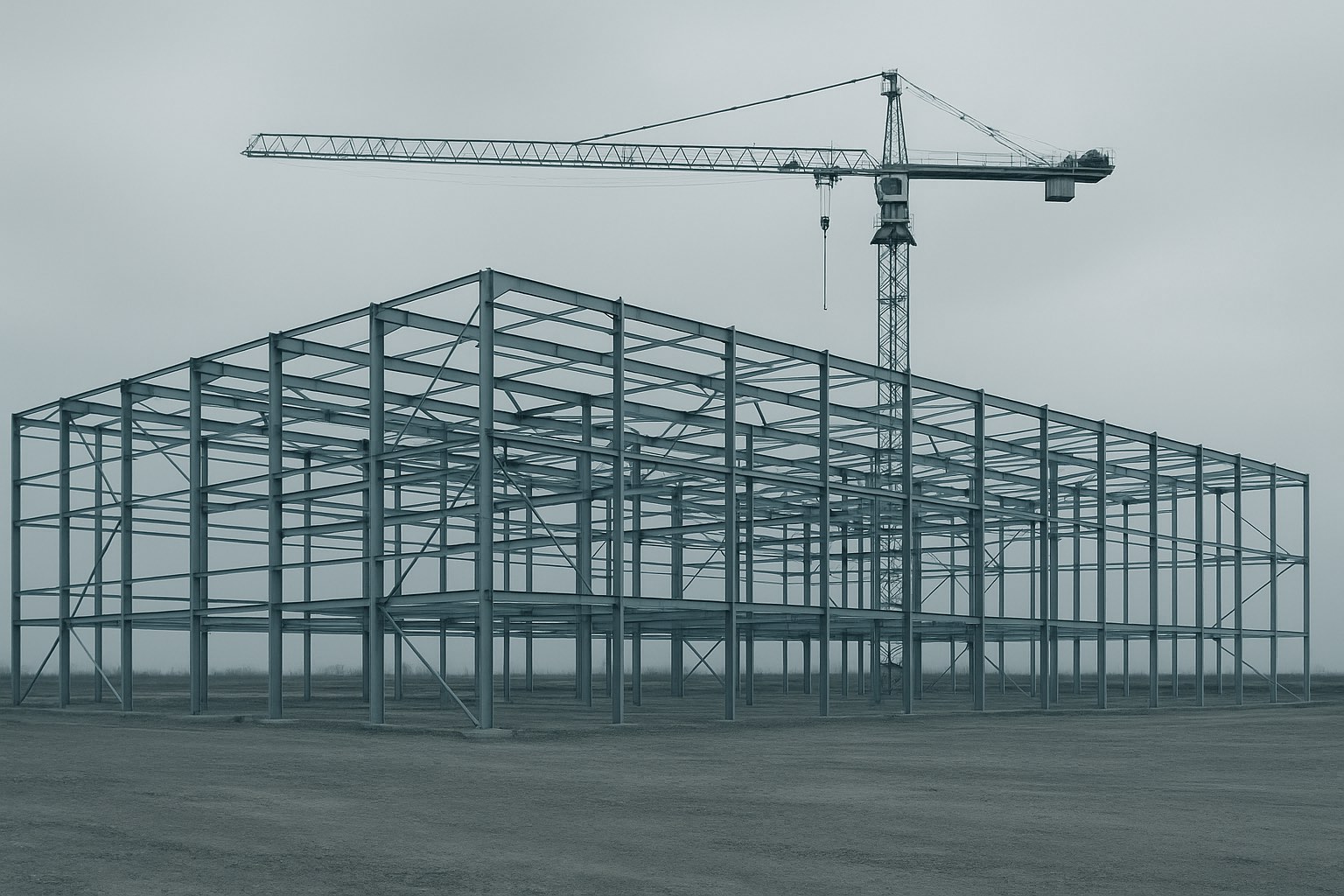
Every figure you will see for 2026 AI capital expenditure is a compilation, and they do not agree. The range across published estimates runs from about **$630 billion to $800 billion**, which is a spread larger than most industries.
That gap is not analysts disagreeing about what the companies intend to spend. It comes from three choices made before any adding starts.
**Who is in the set.** The most-quoted figures cover four companies — Amazon, Alphabet, Meta and Microsoft. Estimates reaching $775–800 billion cover five, adding Oracle. One company's inclusion moves the total by more than most sectors spend in total.
**Which baseline.** Growth rates are quoted against 2025, but the 2025 number itself is reported variously as $388 billion and $410 billion. The same 2026 total produces a 62 per cent increase against one baseline and 77 per cent against the other. Both percentages circulate; they describe the same forecast.
**Guidance versus estimate.** These are analyst compilations of company signalling, not audited actuals. Company guidance shifts through the year, and 2026 is not finished.
The per-company figures reported for 2026, against 2025, run roughly: **Amazon $200bn** against $125bn; **Alphabet $175–185bn** against $91bn; **Meta $115–135bn** against $72bn; **Microsoft $110–120bn** against $90bn.
Worth doing the arithmetic yourself, because it is instructive. Taken at the top of each range those four sum to about $640 billion — short of the $725 billion headline attached to the same four companies in several accounts. Either the headline includes spending outside these line items, or it uses different figures than the ones published alongside it. Neither is explained in the sources carrying both numbers.
What the money is reportedly for is more consistent across accounts: GPU clusters, custom silicon — Google's TPUs, Amazon's Trainium, Meta's MTIA, Microsoft's MAIA — and the datacentre construction to house and power them.
One further reason a single capex figure travels badly: it mixes things with very different lifespans. Datacentre shells and land are long-lived assets depreciated over decades. GPU clusters are not — accelerator hardware is replaced on a far shorter cycle, and how each company chooses to depreciate it materially changes reported earnings without changing a dollar of cash spent. Two companies spending identically can report very different profit, purely on that assumption. Comparing headline capex across firms without their depreciation schedules compares the outlay and hides the accounting.
There is a market dimension that has become the live story. Investor tolerance for this spending is no longer automatic. Following Alphabet's results in late July 2026, a reported sell-off left Amazon, Meta and Microsoft facing heightened scrutiny over capex at their own reporting dates. The question being asked shifted from whether the companies can afford the spending to when it converts to revenue.
That question is not answered by any of the totals above, and it is worth being clear about the limits here. These figures describe intended outlay. They do not establish return, they are not audited, and the spread between the published versions is wide enough that any single number quoted without its company set and its baseline is close to meaningless.
Open News does not offer investment advice, and nothing here is a view on any security.
Key takeaways
See full context →Published 2026 hyperscaler AI capex totals range from about $630bn to $800bn, driven by whether four or five companies are counted.
The 2025 baseline is reported as both $388bn and $410bn, producing 62% or 77% growth for the same forecast.
Per-company figures sum to roughly $640bn, short of the $725bn headline attached to the same four companies.
Source map
Explore all sources →✓What we know
- Published estimates for 2026 hyperscaler AI capex range from roughly $630 billion to $800 billion.
- The widest figures include five companies by adding Oracle to Amazon, Alphabet, Meta and Microsoft.
- The 2025 baseline is reported as both $388 billion and $410 billion in different accounts.
- Reported 2026 per-company figures are roughly Amazon $200bn, Alphabet $175-185bn, Meta $115-135bn and Microsoft $110-120bn.
- The spending is reported as going to GPU clusters, custom silicon and datacentre construction.
- Alphabet's late-July 2026 results were followed by a reported sell-off and increased capex scrutiny of the other hyperscalers.
?What remains unclear
See full context- The published per-company figures do not sum to the largest headline total attached to the same four companies, and the gap is not explained in the sources carrying both.
- These are analyst compilations of company signalling rather than audited actuals, and 2026 is not complete.
- Capex figures mix long-lived datacentre assets with short-cycle accelerator hardware, and depreciation schedules differ between companies.
- Company guidance can and does change during the year.
- None of the figures establish return on the spending or when it converts to revenue.
- Whether the five-company framing or the four-company framing is the more useful comparison is not settled.
Every factual claim, and what supports it
Each statement in this article is listed with how it is classified and which of the sources below establish it. A verified fact is corroborated by two or more independent sources; a reported claim rests on fewer, or on a single party’s account.
Published 2026 hyperscaler AI capex estimates range from about $630 billion to $800 billion.
Accounts differ by nearly $200 billion; the range is reported rather than a single figure chosen.The widest estimates add Oracle to the four-company set.
Five-company framing stated in the account giving the $775-800bn range.The 2025 baseline is reported as both $388 billion and $410 billion.
Two baselines circulate, producing 62 or 77 per cent growth for the same 2026 forecast.Reported 2026 per-company figures are roughly Amazon $200bn, Alphabet $175-185bn, Meta $115-135bn, Microsoft $110-120bn.
Per-company breakdown as published.Those per-company figures sum to roughly $640bn at the top of each range, short of the $725bn headline for the same four companies.
Arithmetic on the published figures. No source reconciles the difference.The spending is reported as going to GPU clusters, custom silicon and datacentre construction.
Consistent characterisation across accounts.A reported sell-off followed Alphabet's late-July 2026 results, raising capex scrutiny of the other hyperscalers.
Reported by CNBC on 28 July 2026.Headline capex mixes long-lived datacentre assets with short-cycle accelerator hardware, and depreciation choices change reported earnings without changing cash spent.
Stated as an accounting distinction relevant to interpreting the figures, not as a finding about any specific company.
How the story developed
- Hyperscaler capex reported at $388bn or $410bn depending on the account.
- Projections for the year range from about $630bn across four companies to $800bn across five.
- Following Alphabet's results, a reported sell-off leaves the other hyperscalers facing higher capex scrutiny.
Why this framing matters
A single number is usually quoted for this and there is no single number. The estimates differ by nearly $200 billion because they count different companies against different baselines, and the same forecast is reported as either 62 or 77 per cent growth depending on which 2025 figure is used. The article gives the range and the reasons rather than picking one, and points out that the per-company figures published alongside the largest headline do not add up to it.
5 sources reviewed
Every source used in this summary, grouped by its role in the reporting chain.
- 1Data Center RichnessIndependent · 2026Independent
- 2Tom's HardwareIndependent · 2026Independent
- 3CNBCIndependent · 2026-07-28Independent
- 4Futurum GroupIndependent · 2026Independent
- 5ForbesIndependent · 2026-06-02Independent
How we verified this story
All figures are labelled as analyst compilations rather than audited actuals, because none of these companies has closed the year. Where accounts disagree — on the baseline, on the company set, on the total — both versions are given rather than averaged. The arithmetic discrepancy between the per-company figures and the headline total is stated because no source reconciles it. No return-on-investment claim is made and no investment view is offered.
Updates and corrections
Preview page created.
Source context and unresolved questions updated.
Related stories and more context
 SCIENCE
Does El Niño mean more snow? Seasonal outlooks cannot answer that, and here is why
The maps people check for a snow answer measure precipitation, which combines rain and melted snow into one number. They cannot separate the two. That is a built-in limitation of the product, not a gap someone forgot to fill.
 TECHNOLOGY
Will AI take my job? The measured effect is real, narrow, and concentrated on people under 26
The clearest evidence so far comes from payroll records, not forecasts. It shows a 16 per cent relative employment decline for 22- to 25-year-olds in the most exposed occupations — and growth where AI augments the work instead of replacing it.
 TECHNOLOGY
Which jobs are safe from AI? The dividing line is not the industry — it is whether the work is augmented or automated
The same payroll analysis that found employment falling for early-career workers in exposed occupations found it rising elsewhere. What separates the two is not the sector but how the technology is applied to the task.
Join the discussion
Help build a clearer picture. Add context, challenge a claim or share a source.